About Us
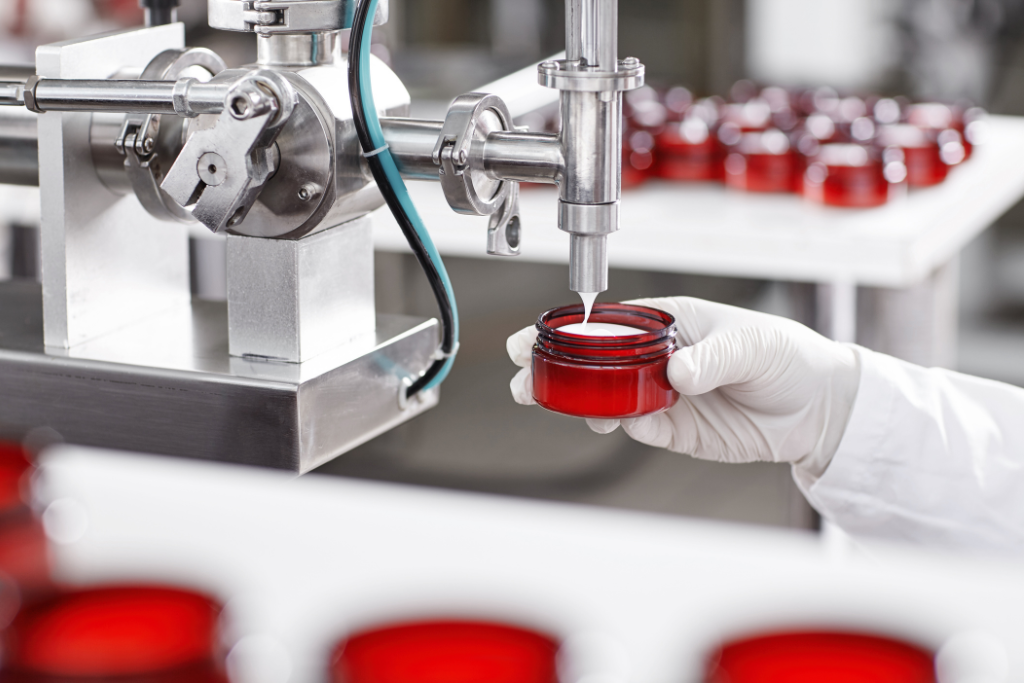
It sounds quite exciting to start your own beauty brand, but when you get to the product development stage, it is a whole different ball game altogether. This is where we, at Cizy Biocare, see many small beauty brands coming into the market with good ideas, and then they get stuck with formulation, manufacturing, packaging, and increasing costs, and this is when private label cosmetics make a lot of sense.
The opportunity is also hard to pass up, as a Grand View Research report indicates that the beauty and personal care products market, which was valued at 557.24 billion USD in 2023, is projected to grow to 937.13 billion USD by the year 2030.
If you are also planning to join this market, this blog will show you why working with private label skin care manufacturers is such a good idea.
What Are Private Label Cosmetics?
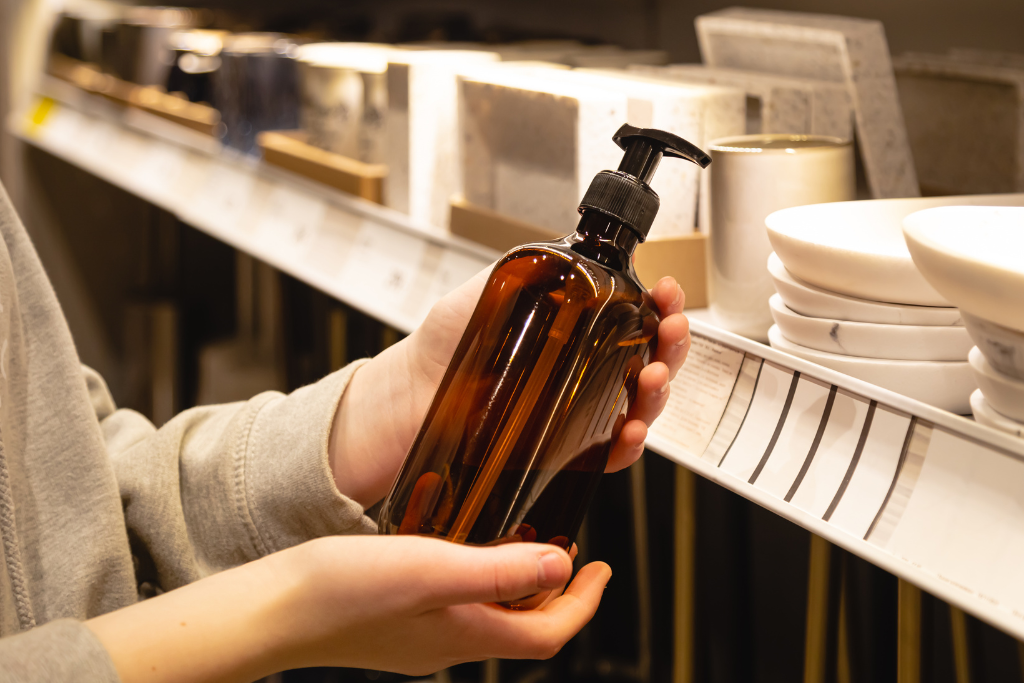
Private label cosmetics are an excellent option for small beauty companies that want to bring their products into the market without getting involved in the lengthy product development process. Rather than developing each product from scratch, you will be working with a private label skin care manufacturer who has already developed products ready to go into production.
The process is quite simple. You will look at the available products, select the ones that you wish to use, and then customise the packaging to fit your brand. The product is then created and marketed under your company’s name.
This is an excellent way of saving time in the early stages of the development of the product. Rather than spending time and energy on the formulation of the product, you can concentrate on other areas of the product, such as the development of the product, the packaging, marketing, and sales.
At Cizy Biocare, we are here to help you in the formulation, manufacturing, and packaging of your product to make the whole experience easier and more organised for you.
Why Small Beauty Brands Are Choosing Private Label Cosmetics
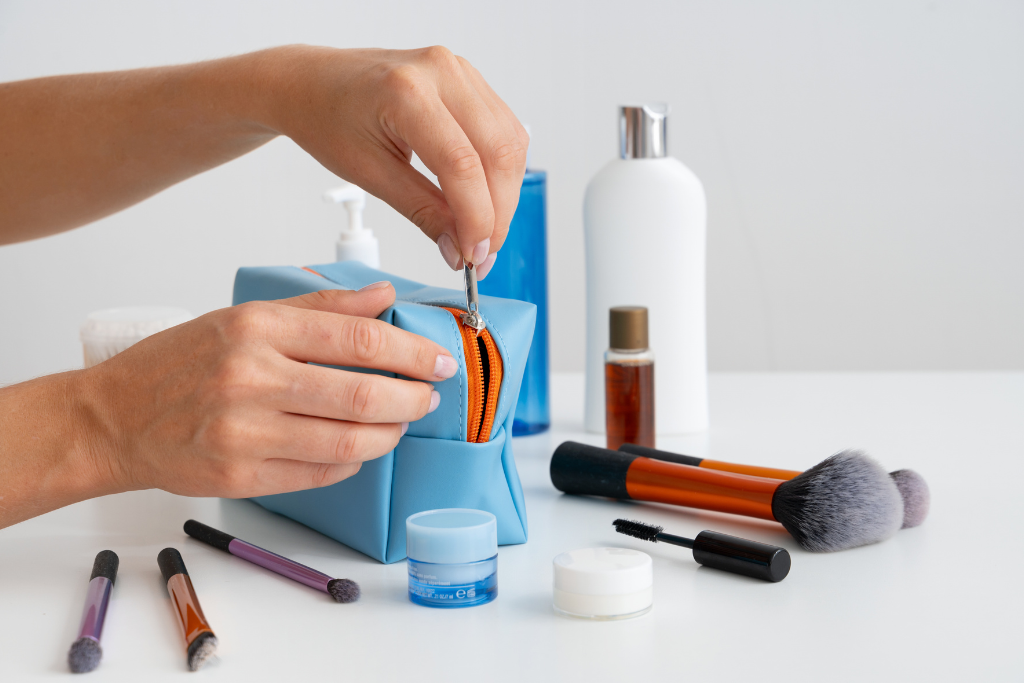
Having understood what private label cosmetics means, it is now important to ask the next question: why is this trend so appealing to small beauty brands?
The traditional way of bringing a product to market can be time-consuming, costly, and unpredictable. Private label cosmetics eliminate all these headaches associated with bringing new products to market. Private label cosmetics offer beauty brands a way to launch their products quickly, yet professionally.
There are various reasons why private label manufacturing is appealing to beauty brands.
Faster Product Launches
Building a cosmetic product from the ground up is a time-consuming process. Researching ingredients, testing different combinations, and meeting safety requirements can extend the process by months. This can cause a delay in your brand launches, moving the deadline farther out than you would like.
Private label cosmetics simplify this process by offering formulations that are already developed and tested.
This means you can:
- move from idea to product launch much faster
- reduce the time spent on formulation trials
- focus on packaging and branding sooner
Instead of waiting through long R&D cycles, your brand can start entering the market while competitors are still developing their first formula.
Lower Investment to Start
Starting a beauty brand seems to involve a lot of cost when you first get started with it. Developing the product, testing it in the lab, and manufacturing it can cost a lot. For a small beauty brand, this is a problem.
Working with a private label skin care manufacturer will help solve this problem.
You don’t have to worry about:
- Building a manufacturing facility
- Investing in research and development of the product
- Investing in product development trials
Working with a private label skin care manufacturer will help you get started with a controlled budget, which is a huge advantage for small beauty brands.
Easier Product Development for Small Batches
Starting a beauty brand doesn’t necessarily require you to start with thousands of products at first. Some brand founders prefer to start with small batches to see how their products perform in the market.
Private label manufacturing helps you achieve this goal.
It helps you to:
- start with small batches of products
- test various types of products
- get real customer feedback before scaling up
Small beauty businesses can benefit from this approach to see what their customers really want before producing more products.
More Time to Focus on Branding and Marketing
Product development can quickly become a founder’s entire focus. There are so many details to consider, from formulation to testing to coordinating manufacturing.
Private label cosmetics alter this equation.
When manufacturing and formulation support are already in place, you can focus on aspects of your business that really grow your brand:
- building a strong brand identity
- creating eye-catching packaging
- building a marketing campaign
- connecting with your audience
A strong branding effort is really what sets a beauty business apart from others. Private label gives you the time to focus on this aspect of your business.
Access to High-Quality, Approved Formulations
The quality of a product is the foundation of any beauty product. Customers want to buy products that are not only safe and effective but also consistent in quality with every purchase.
Good private label skin care manufacturers provide formulations that are developed, tested, and approved.
At Cizy Biocare, brands have access to over 100 approved skincare formulations, which include:
- face washes
- serums
- moisturisers
- specialised treatment products
This way, small beauty brands are able to get started with products that are backed by quality formulations while also creating their own unique brand identity.
Private Label vs Custom Manufacturing: What’s the Difference?
Many founders, after researching private label cosmetics, will eventually wonder how it compares to creating products from scratch. Both methods have their place, and they are used in different ways based on the needs of your brand.
| Factor | Private Label Cosmetics | Custom Manufacturing |
| Launch timeline | Quicker to market | Takes more time |
| Upfront cost | More budget-friendly | Higher initial spend |
| Formula type | Pre-developed formulas | Custom-built formulas |
| Brand control | Branding and packaging customisation | Full product-level customisation |
| Early-stage risk | Lower and easier to manage | Higher and more complex |
| Best suited for | Small, growing, or first-time brands | Established or highly specialised brands |
Private label is a more viable option for small beauty companies. This is because it makes it easier to get started, manage costs, and work with a private label skin care manufacturer without taking the hard route too early.
What to Look for in a Private Label Cosmetics Manufacturer
Choosing the right manufacturing partner can make a big difference when you are launching a beauty brand. A reliable partner helps you maintain product quality, manage production smoothly, and grow your brand without unnecessary stress.
When exploring private label skin care manufacturers, keep a few practical factors in mind.
- Strong manufacturing standards
Your products must be produced in a clean, controlled environment with proper quality checks. Consistent manufacturing ensures that every batch delivers the same results to your customers.
- Formulation expertise
Experienced teams understand ingredient compatibility, stability, and product performance. At Cizy Biocare, a dedicated formulation team helps brands select products that match their category and customer needs.
- Flexible minimum order quantities (MOQs)
Small brands often want to start with limited production. Cizy Biocare helps with minimum MOQs depending on the product, allowing brands to begin gradually and scale later.
- Packaging and product guidance
Support with packaging options and product formats helps you present your brand professionally from the start.
A reliable manufacturing partner can simplify many of the challenges that small beauty brands face. With structured production, formulation expertise, and flexible order quantities, Cizy Biocare works to make that journey easier for emerging skincare brands.
Ready to Launch Your Beauty Brand?
Starting a beauty brand does not have to mean spending months on formulation trials and heavy product development. Private label cosmetics give small beauty brands a faster and smarter way to enter the market. You can launch high-quality products, build your brand identity, and focus on growing your customer base instead of getting stuck in complex manufacturing processes.
That is exactly where Cizy Biocare steps in. With 100+ approved formulations, expert support, and flexible MOQs, you get everything needed to bring your skincare brand to life.
Answering General Queries:
1. What are private label cosmetics?
Private label cosmetics are products developed by manufacturers but sold under a brand’s own name. Beauty brands select existing formulations, customise packaging and branding, and launch the products without developing formulas from scratch.
2. Why do small beauty brands choose private label cosmetics?
Private label cosmetics allow small brands to launch faster and with lower investment. Instead of spending months on formulation development, brands can work with private label skin care manufacturers and focus on building their identity and customer base.
3. Can private label cosmetics still be high quality?
Yes. Many manufacturers work with tested formulations that meet safety and stability standards. Quality depends on the expertise and production practices of the manufacturer you choose.
4. How long does it take to launch a private label skincare product?
The timeline can vary depending on packaging, product selection, and production schedules. In many cases, private label products can be launched significantly faster than fully custom-developed cosmetics.
5. Is private label manufacturing suitable for first-time beauty entrepreneurs?
Yes. Private label manufacturing is often ideal for founders entering the beauty industry for the first time. It simplifies the product development process and allows entrepreneurs to focus on branding, marketing, and customer experience.

Cizybiocare
Founder, Cizybiocare
Japarsh Singh draws on decades of expertise in cosmetics and Ayurveda, combining traditional knowledge with modern innovation to deliver ethical, high-quality products for global beauty and wellness brands.


 8 mins read