About Us

Every year, skincare trends shift in ways that reflect how people live, think and care for their bodies. But 2026 will be different. Consumers are questioning old routines, looking deeper into ingredient science and expecting products that work with the skin, not against it. For new and emerging beauty brands, understanding these shifts early can shape smarter product lines and clearer brand direction. As you explore collaborations with private label cosmetic manufacturers or plan your next launch, these trends offer a blueprint for what the market truly wants.
1. Skincare Trends to Watch Out for in 2026
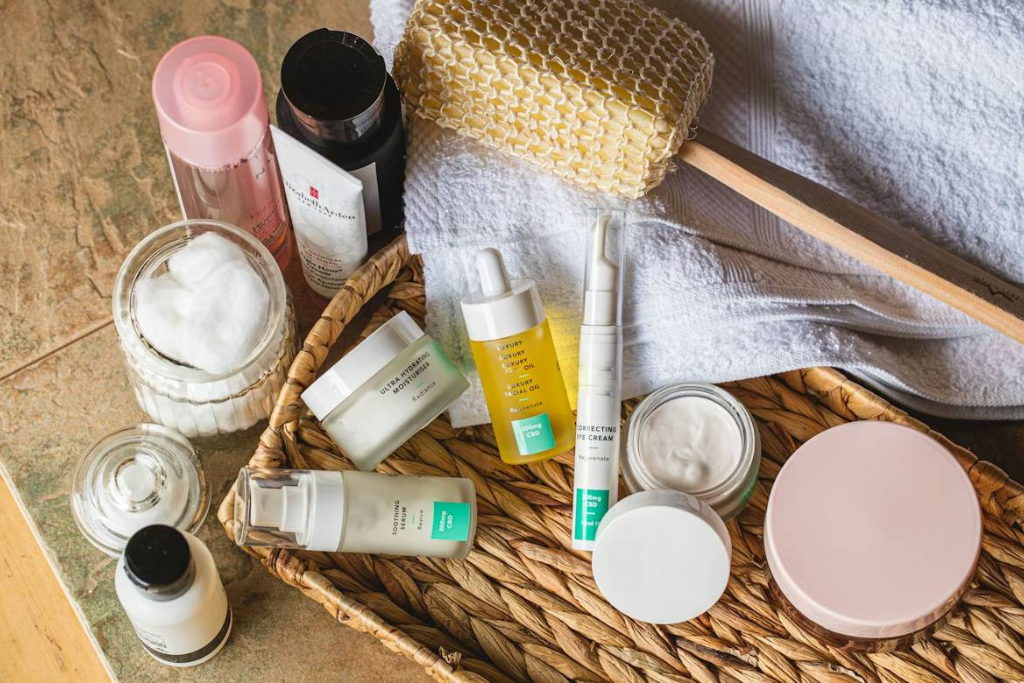
At Cizy Biocare, we follow real consumer behaviour, ingredient demand, and formulation interest to identify which rising ideas have real momentum, helping brands focus on skincare trends that will genuinely shape innovation in 2026. Here are the top skincare trends in 2026:
1. Resilient Beauty
Consumers want products that help the skin stay stable, balanced, and less reactive. Harsh actives and over-exfoliation are being replaced by barrier-supporting ingredients like ceramides, peptides, ectoin, and adaptogenic botanicals. Resilient beauty focuses on maintaining long-term skin health, not quick transformations.
For new brands, this opens doors to soothing moisturisers, microbiome-focused serums, and gentle daily repair products. Many private label cosmetic manufacturers now specialise in advanced barrier repair formulations that were once reserved for clinical skincare.
2. Neuroscience-Aligned Beauty
The connection between the mind and skin is no longer theoretical. Neuroscience-inspired beauty taps into the way stress, sleep, and mood affect skin function. Expect calming textures, grounding natural scents, and ingredients that support emotional balance.
A cosmetic products manufacturer with experience in sensorial formulation can help brands create products that feel therapeutic, not just functional.
3. Inflammation Care
Inflammation is now understood as one of the biggest triggers behind dullness, sensitivity, premature aging, and uneven tone. As a result, soothing skincare is becoming a core priority for 2026.
Brands turn toward probiotic blends, centella asiatica, calendula, green tea, bisabolol, and Ayurvedic botanicals such as manjistha and aloe vera. By collaborating with private label cosmetic manufacturers, this helps startups create targeted solutions for sensitive, urban-stressed skin.
4. The Male Grooming Boom
Inflammation is now understood as one of the biggest triggers behind dullness, sensitivity, premature ageing, and uneven tone. As a result, soothing skincare is becoming a core priority for 2026.
Brands turn toward probiotic blends, centella asiatica, calendula, green tea, bisabolol, and Ayurvedic botanicals such as manjistha and aloe vera. By collaborating with private label cosmetic manufacturers, this helps startups create targeted solutions for sensitive, urban-stressed skin.
4. The Male Grooming Boom
Grooming for men is expanding beyond beard oil and aftershave. Men now want simple, effective routines with cleansers, multi-use serums, sunscreens, and grooming hybrids.
A manufacturing company of cosmetic products can help a brand develop formulas suited to male skin, which is often thicker and more prone to oiliness. This is one of the most attractive categories for new entrants as demand rises globally.
5. Ingredients That Will Drive the Next Chapter of Beauty
Some of the most influential ingredients for 2026 are ectoin, postbiotics, peptides, fermented extracts, and phytoactive blends. Joining them, Ayurvedic ingredients are on the rise globally and are spearheaded by turmeric, ashwagandha, amla, and neem.
Consumers now carefully read ingredient lists and demand transparency. Private label cosmetic manufacturers can support brands in formulating with high-performance actives while ensuring safe, compliant sourcing.
6. Metabolic Beauty
Metabolic beauty zeroes in on enhancing the capability of skin cells to produce energy. When skin metabolism improves, the result is naturally brighter, firmer, and healthier-looking skin.
Ingredients like CoQ10, ginseng, B vitamins, and NAD-supporting compounds will gain prominence. This trend is especially attractive for brands positioning themselves around longevity, vitality, and proactive ageing. Partnering with the right cosmetic products manufacturer makes it easier to incorporate these advanced actives into stable formulations.
7. Blue Beauty Accountability
You must have heard about green beauty many times, but have you heard about “blue beauty”? Blue Beauty is a deeper version of eco-friendly skincare. Consumers expect brands to protect oceans, reduce microplastics, cut down on water wastage, and choose safer ingredient systems.
This includes:
• biodegradable formulas
• minimal-waste packaging
• transparent sourcing practices
With rising expectations around sustainability, brands working with private label cosmetic manufacturers gain access to eco-conscious raw materials and packaging options.
8. Biotech and AI-Driven Personalisation
Biotechnology is shaping the future of skincare. Lab-made peptides are becoming mainstream, as are fermented ingredients, microbiome-supporting complexes, and bio-identical botanicals.
Meanwhile, AI-powered tools have empowered consumers to analyse their skin, receive personalised routines, and monitor changes over time. By partnering with a cosmetic products manufacturing company specialising in biotech-driven formulation development, a brand can provide future-ready innovations without massive in-house investment.
9. Skin Minimalism and Multi-Functionality
There is a new skincare term going around these days: Skinimalism. It’s about fewer products, more benefits.
Consumers are decluttering their routines. Instead of five different serums, they want one multi-functional formula that can hydrate, repair, brighten, and protect.
This shift is leading to hybrid products such as:
- Cleanser-serum hybrids
- SPF moisturisers
- Antioxidant toners
- Multi-benefit gels
- Day-to-night creams
Private label cosmetic manufacturers presently offer compact, yet powerful formulations that help brands connect with the growing consumer base of minimalists.
10. The Ayurvedic and Sustainable Rise
Ayurvedic skincare continues to gain visibility as consumers move towards holistic wellness. What makes Ayurveda unique is the combination of efficacy, safety, and plant-based purity.
Key herbs entering modern formulations include:
Turmeric for radiance
- Amla for antioxidant support
- Licorice for brightening
- Neem for clarity
- Sandalwood is used for calming.
This can be a strong competitive advantage for brands based in India or partnering with Indian manufacturers. An Ayurvedic-capable cosmetic products manufacturer can assure authenticity while addressing global regulatory requirements.
2. What New Brands Should Focus On
Skincare in 2026 rewards brands that prioritise clarity, trust, and thoughtful innovation. To stay competitive, new labels should focus on:
- Transparent ingredient stories
- Multifunctional formulations
- Inclusive product lines, including male grooming
- Sustainable packaging and production
- Science-backed actives blended with natural botanicals
- Partnerships with reliable private label cosmetic manufacturers
The brands that thrive will be those that stay adaptable and committed to genuine value rather than trends that fade quickly.
3. Conclusion
The skincare trends in 2026 will blend science, nature, wellbeing, and sustainability. Understanding these shifts is essential for brands building their next product line. With the support of a skilled cosmetic products manufacturer or a trusted private label partner, new brands can bring innovative, efficient, and future-ready formulations to market with confidence.

Cizybiocare
Founder, Cizybiocare
Japarsh Singh draws on decades of expertise in cosmetics and Ayurveda, combining traditional knowledge with modern innovation to deliver ethical, high-quality products for global beauty and wellness brands.


 1 min read